Liquefied Petroleum Gas (LPG) is a widely used energy source in various sectors, including residential, commercial, and industrial applications. As an LPG pipe supplier, I have witnessed the diverse requirements and applications of LPG pipes in the market. In this blog, I will explore the different types of LPG pipes, their characteristics, and their suitability for various scenarios. LPG Pipe
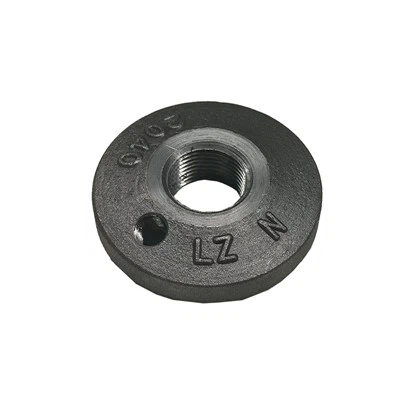
1. Steel LPG Pipes
Steel pipes are one of the most common types of LPG pipes. They are known for their strength, durability, and resistance to high pressure. Steel LPG pipes are typically made from carbon steel or stainless steel, each with its own set of advantages.
Carbon Steel Pipes
Carbon steel pipes are cost – effective and have good mechanical properties. They can withstand high pressures and are suitable for both underground and above – ground installations. However, carbon steel is prone to corrosion, especially in humid or corrosive environments. To mitigate this, carbon steel LPG pipes are often coated with anti – corrosion materials such as epoxy or zinc.
Stainless Steel Pipes
Stainless steel pipes offer excellent corrosion resistance, making them ideal for applications where the pipes are exposed to harsh environments. They are also more aesthetically pleasing and have a longer service life compared to carbon steel pipes. However, stainless steel pipes are more expensive, which may limit their use in some cost – sensitive projects.
2. Copper LPG Pipes
Copper pipes are another popular choice for LPG installations. They have several advantages that make them suitable for specific applications.
High Thermal Conductivity
Copper has high thermal conductivity, which means it can transfer heat efficiently. This property is beneficial in applications where heat transfer is required, such as in some industrial processes or in heating systems.
Easy to Install
Copper pipes are relatively easy to bend and shape, which makes them convenient for installation in tight spaces or around obstacles. They can be joined using various methods, including soldering and compression fittings, which are well – established and reliable techniques.
Corrosion Resistance
Copper has a natural resistance to corrosion, especially in mild environments. However, in some cases, the presence of certain chemicals or high levels of moisture can cause corrosion over time. To prevent this, copper pipes can be treated with protective coatings.
3. Polyethylene (PE) LPG Pipes
Polyethylene pipes are increasingly being used in LPG distribution systems, especially for underground installations.
Lightweight and Flexible
PE pipes are lightweight, which makes them easy to handle and transport. They are also highly flexible, allowing for easy installation around curves and obstacles. This flexibility reduces the need for joints and fittings, which can potentially reduce the risk of leaks.
Corrosion Resistance
PE pipes are resistant to corrosion from soil and chemicals, making them suitable for underground applications. They do not require additional anti – corrosion coatings, which simplifies the installation process and reduces costs.
Low Friction
PE pipes have a smooth inner surface, which results in low friction. This allows for efficient flow of LPG, reducing energy losses and improving the overall performance of the distribution system.
4. Composite LPG Pipes
Composite pipes combine the advantages of different materials to create a pipe with enhanced properties.
Reinforced with Fiberglass
Some composite LPG pipes are reinforced with fiberglass, which provides additional strength and stiffness. These pipes are lightweight yet strong, and they can withstand high pressures. They are also resistant to corrosion and have a long service life.
Layers of Different Materials
Composite pipes may consist of multiple layers of different materials, such as an inner layer of a polymer for chemical resistance and an outer layer of a stronger material for mechanical protection. This design allows for customization of the pipe’s properties to meet specific requirements.
5. Considerations for LPG Pipe Selection
When selecting the appropriate type of LPG pipe for a particular application, several factors need to be considered.
Pressure Rating
The pressure rating of the pipe is crucial, as LPG is stored and transported under pressure. The pipe must be able to withstand the maximum pressure that it will be exposed to during normal operation and in case of emergencies.
Environmental Conditions
The environmental conditions where the pipe will be installed, such as temperature, humidity, and the presence of chemicals, can affect the performance and durability of the pipe. For example, in a coastal area with high humidity and saltwater exposure, a corrosion – resistant pipe like stainless steel or PE may be more suitable.
Installation Requirements
The ease of installation is also an important factor. Some pipes, like copper and PE, are easier to install than others, especially in complex or confined spaces. The availability of suitable joining methods and fittings also needs to be considered.
Cost
Cost is always a consideration in any project. While some pipes, like stainless steel, may be more expensive upfront, they may offer long – term savings due to their durability and lower maintenance requirements. On the other hand, more cost – effective options like carbon steel may be suitable for projects with a tight budget.
6. Our Role as an LPG Pipe Supplier
As an LPG pipe supplier, we understand the importance of providing high – quality pipes that meet the diverse needs of our customers. We offer a wide range of LPG pipes, including steel, copper, PE, and composite pipes, to ensure that our customers can find the right solution for their specific applications.
We work closely with our customers to understand their requirements and provide technical support throughout the selection and installation process. Our team of experts is knowledgeable about the different types of LPG pipes and can offer advice on the best pipe material, size, and installation method based on the project’s specifications.
In addition to supplying pipes, we also provide a range of accessories and fittings to ensure a complete and reliable LPG installation. We source our products from trusted manufacturers and conduct strict quality control checks to ensure that our products meet the highest standards of safety and performance.
7. Conclusion
In conclusion, there are indeed different types of LPG pipes, each with its own unique characteristics and suitability for various applications. Steel pipes offer strength and high – pressure resistance, copper pipes provide good thermal conductivity and ease of installation, PE pipes are lightweight and corrosion – resistant, and composite pipes combine the advantages of different materials.

When selecting an LPG pipe, it is important to consider factors such as pressure rating, environmental conditions, installation requirements, and cost. As an LPG pipe supplier, we are committed to providing our customers with the best products and services to meet their LPG pipe needs.
Powder Coating If you are in the market for LPG pipes or have any questions about our products, we encourage you to contact us. Our team is ready to assist you in finding the right LPG pipe solution for your project.
References
- "Liquefied Petroleum Gas (LPG) Handbook" by the World LPG Association.
- "Pipe Engineering and Design" by various authors in the field of piping technology.
- Industry standards and guidelines related to LPG pipe installation and safety.
Shanghai Luzhen SCM Co., Ltd.
As one of the most professional lpg pipe manufacturers and suppliers in China, we’re featured by quality products and good price. Please rest assured to buy bulk discount lpg pipe from our factory. We also accept customized orders.
Address:
E-mail: bao@lu-chain.com
WebSite: https://www.lu-chain.com/
