Hey there! I’m a supplier of drying kilns and I’ve been in this industry for quite a while. One of the most common questions I get from my customers is how to optimize the drying process in a drying kiln for waste materials. Well, today I’m gonna share some tips and tricks that I’ve learned over the years. Drying Kiln
First off, let’s talk about why optimizing the drying process is so important. When you’re dealing with waste materials, you want to get rid of as much moisture as possible. High moisture content in waste materials can lead to a whole bunch of problems. For example, it can increase the weight of the materials, which means higher transportation costs. It can also cause mold and bacteria to grow, which is a big no – no, especially if you’re planning to use the dried waste for other purposes like fuel or compost.
Understanding the Waste Materials
The very first step in optimizing the drying process is to understand the waste materials you’re dealing with. Different waste materials have different moisture contents, compositions, and physical properties. For instance, wood waste usually has a relatively high moisture content, and its drying rate can be affected by the type of wood, its density, and the size of the wood pieces. On the other hand, textile waste may have a different moisture – retention characteristic due to the fibers it’s made of.
You need to analyze the waste materials to determine their initial moisture content. There are various methods to do this. One simple way is to use a moisture meter. Just take a few samples from different parts of the waste pile and measure the moisture level. This will give you a good idea of how much moisture you need to remove.
Choosing the Right Temperature
Temperature plays a crucial role in the drying process. However, finding the right temperature is a bit of a balancing act. If the temperature is too low, the drying process will be extremely slow, and it might take a long time to reach the desired moisture level. This not only wastes energy but also reduces the efficiency of your drying kiln.
On the other hand, if the temperature is too high, it can cause some problems. For some waste materials like paper waste, high temperatures can make the paper brittle and even cause it to char. For organic waste, high temperatures might destroy some of the beneficial components.
As a general rule of thumb, for most waste materials, a temperature range of 60 – 120 degrees Celsius is a good starting point. But you’ll need to adjust this based on the specific type of waste. For example, if you’re drying plastic waste, you need to be very careful because plastics have a relatively low melting point. You don’t want to overheat them and end up with a big mess in your drying kiln.
Controlling the Airflow
Airflow is another key factor in optimizing the drying process. Good airflow helps to carry away the moisture that is being evaporated from the waste materials. In a drying kiln, you can control the airflow in a few ways.
One way is to use fans. You can install fans at different positions in the kiln to ensure that the air circulates evenly. The fans can be set to different speeds depending on the needs of the drying process. For example, at the beginning of the drying process, when the moisture content is high, you might want to set the fans to a higher speed to quickly remove the moisture. As the drying progresses and the moisture content decreases, you can reduce the fan speed to save energy.
Another aspect of airflow control is the direction of the air. You can design the drying kiln in such a way that the air flows from the bottom up or from one side to the other. This can be adjusted based on the shape and arrangement of the waste materials in the kiln.
Loading the Drying Kiln Correctly
How you load the waste materials into the drying kiln also matters a lot. If you over – load the kiln, the waste materials will be packed too tightly, which can restrict the airflow and slow down the drying process. On the other hand, if you under – load the kiln, you’re not using the kiln’s capacity efficiently, which is a waste of energy and resources.
You should aim to load the waste materials in a way that allows for proper airflow between the materials. For example, if you’re drying small pieces of waste like sawdust, you can spread them out evenly on the trays in the kiln. If you’re dealing with larger items like wood logs, you can stack them in a way that there are gaps between the logs for the air to pass through.
Monitoring and Adjusting the Process
The drying process is not a set – it – and – forget – it thing. You need to monitor it constantly and make adjustments as needed. You can use sensors in the drying kiln to measure parameters like temperature, humidity, and airflow. These sensors can provide real – time data that you can use to optimize the process.
For example, if the humidity sensor shows that the humidity in the kiln is not decreasing as fast as you expected, it could mean that the temperature is too low or the airflow is not sufficient. In this case, you can increase the temperature or adjust the fan speed to improve the drying rate.
Using Additives (Optional)
In some cases, using additives can help to optimize the drying process. For example, some chemicals can be used to break down the bonds between water molecules and the waste materials, making it easier for the water to evaporate. However, you need to be very careful when using additives. Make sure that they are safe for the environment and that they don’t contaminate the waste materials.
Maintenance of the Drying Kiln
Regular maintenance of the drying kiln is essential for optimizing the drying process. A well – maintained kiln will operate more efficiently and have a longer lifespan. You should clean the kiln regularly to remove any debris or dust that might accumulate inside. This can improve the airflow and prevent blockages.
You also need to check the heating elements, fans, and other components of the kiln regularly. Replace any worn – out parts as soon as possible to ensure that the kiln is working at its best.
Conclusion
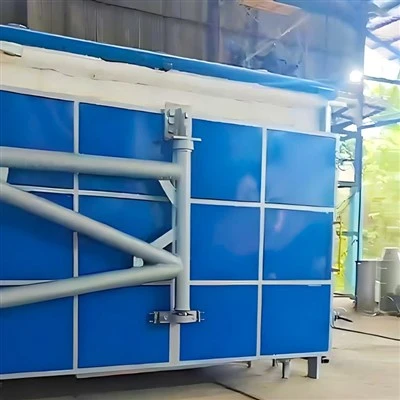
Optimizing the drying process in a drying kiln for waste materials is a complex but achievable task. By understanding the waste materials, choosing the right temperature, controlling the airflow, loading the kiln correctly, monitoring and adjusting the process, and maintaining the kiln, you can significantly improve the efficiency of the drying process.
Large Cross Section Modular Energy Saving Tunnel Kiln If you’re in the market for a high – quality drying kiln or need more advice on optimizing your drying process, don’t hesitate to get in touch. We’re here to help you make the most out of your waste – drying operations.
References
- "Industrial Drying Technology" by Arun S. Mujumdar
- "Waste Management and Recycling" textbooks from various environmental science courses
- Industry reports on waste drying and kiln technology
Henan Yaxin Kiln Co., Ltd.
Henan Yaxin Kiln Co., Ltd. is one of the most professional drying kiln manufacturers and suppliers in China. With abundant experience, we warmly welcome you to buy high quality drying kiln with the latest design from our factory. Good service and punctual delivery are available.
Address: Jixian Industrial Zone, Shangqiu City, Henan Province
E-mail: 1543563178@qq.com
WebSite: https://www.hnyxkiln.com/
