As a seasoned supplier of solenoid valves, I’ve witnessed firsthand the critical role that voltage plays in the performance of these essential components. Solenoid valves are used in a wide range of applications, from industrial automation to household appliances, and understanding how voltage impacts their performance is crucial for ensuring optimal operation and reliability. Solenoid Valves
The Basics of Solenoid Valves
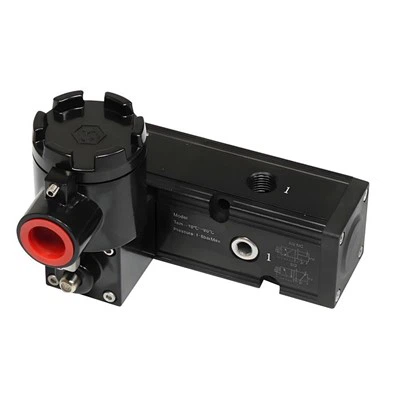
Before delving into the effects of voltage on solenoid valve performance, it’s important to have a basic understanding of how these valves work. A solenoid valve consists of a coil of wire, a plunger, and a valve body. When an electrical current is applied to the coil, it creates a magnetic field that attracts the plunger, causing it to move and open or close the valve. The movement of the plunger controls the flow of fluid or gas through the valve.
Voltage and Solenoid Valve Operation
The voltage applied to a solenoid valve is a key factor in determining its operation. The voltage rating of a solenoid valve indicates the minimum and maximum voltage that the valve can safely operate at. Operating a solenoid valve outside of its specified voltage range can have several negative effects on its performance.
Insufficient Voltage
When a solenoid valve is operated at a voltage below its rated value, it may not receive enough power to generate a strong enough magnetic field to move the plunger. As a result, the valve may not open or close properly, leading to incomplete or inconsistent flow control. In some cases, the valve may not open at all, causing a blockage in the system.
Insufficient voltage can also cause the solenoid coil to overheat. When the voltage is too low, the coil draws more current to try to generate the necessary magnetic field. This increased current flow can cause the coil to heat up, which can damage the insulation and reduce the lifespan of the valve.
Excessive Voltage
On the other hand, operating a solenoid valve at a voltage above its rated value can also cause problems. Excessive voltage can cause the solenoid coil to overheat, which can lead to insulation breakdown and short circuits. This can damage the valve and potentially cause a safety hazard.
In addition, excessive voltage can cause the plunger to move too quickly or with too much force, which can damage the valve seat and seals. This can lead to leaks and reduced flow control performance.
Voltage Fluctuations
In real-world applications, voltage fluctuations are common. These fluctuations can be caused by a variety of factors, such as power surges, electrical interference, or changes in the electrical load. Solenoid valves that are exposed to voltage fluctuations may experience inconsistent performance or premature failure.
To mitigate the effects of voltage fluctuations, it’s important to use a voltage regulator or a power supply that can provide a stable voltage output. This can help ensure that the solenoid valve operates within its specified voltage range and reduces the risk of damage or failure.
Selecting the Right Voltage for Your Application
When selecting a solenoid valve for your application, it’s important to choose a valve with a voltage rating that is compatible with your electrical system. Consider the following factors when making your selection:
System Voltage
The voltage of your electrical system is the most important factor to consider when selecting a solenoid valve. Make sure to choose a valve with a voltage rating that matches the voltage of your system. If your system has a variable voltage output, you may need to choose a valve with a wider voltage range or use a voltage regulator.
Power Consumption
The power consumption of a solenoid valve is another important factor to consider. Higher voltage valves generally consume more power than lower voltage valves. Make sure to choose a valve that consumes an appropriate amount of power for your application.
Operating Environment
The operating environment of your solenoid valve can also affect its voltage requirements. For example, if the valve is exposed to high temperatures or humidity, it may require a higher voltage to operate properly. Make sure to choose a valve that is rated for the operating environment of your application.
Conclusion
In conclusion, voltage plays a critical role in the performance of solenoid valves. Operating a solenoid valve outside of its specified voltage range can cause a variety of problems, including incomplete or inconsistent flow control, overheating, and premature failure. To ensure optimal performance and reliability, it’s important to choose a solenoid valve with a voltage rating that is compatible with your electrical system and to use a voltage regulator or a power supply that can provide a stable voltage output.
Gate Valve If you’re in the market for high-quality solenoid valves, I encourage you to reach out to us for a consultation. Our team of experts can help you select the right valve for your application and provide you with the support and guidance you need to ensure its successful installation and operation.
References
- Smith, J. (2018). Solenoid Valve Handbook. McGraw-Hill Education.
- Johnson, R. (2019). Electrical Engineering for Non-Electrical Engineers. Wiley.
- Brown, S. (2020). Industrial Automation: Principles and Applications. Cengage Learning.
Wuxi PYNOS Flow-tech Co., Ltd.
As one of the leading solenoid valves manufacturers and suppliers in China, we offer a wide range of products with superior quality. We warmly welcome you to buy high quality solenoid valves made in China here from our factory. We also accept customized orders.
Address: Sales Center: 7th Floor, No.19 Qingyuan RD, Wuxi City, Jiangsu Prov., China
E-mail: Info@pynosvalve.com
WebSite: https://www.pynosvalves.com/
