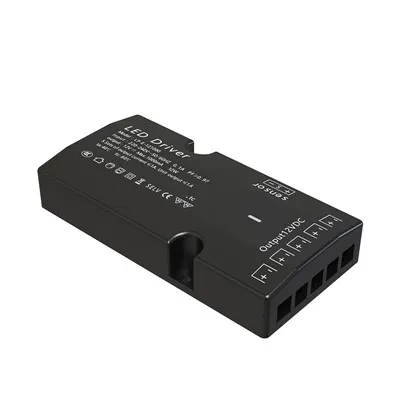
As a supplier of cabinet LED drivers, I often encounter questions from customers about the compatibility of cabinet LED drivers with dimmable LEDs. This topic is not only relevant to the functionality and performance of lighting systems but also has a significant impact on the overall user experience. In this blog, I will delve into the technical aspects of using a cabinet LED driver with dimmable LEDs, exploring the key considerations, potential challenges, and best practices. Cabinet LED Driver
Understanding Cabinet LED Drivers and Dimmable LEDs
Before we discuss the compatibility, it’s essential to understand what cabinet LED drivers and dimmable LEDs are. A cabinet LED driver is a power supply that regulates the electrical current and voltage to ensure the proper operation of LED lights. It converts the alternating current (AC) from the mains into direct current (DC) suitable for LEDs. On the other hand, dimmable LEDs are designed to adjust their brightness according to the user’s preference. This feature provides flexibility in creating different lighting atmospheres and can also help save energy.
Compatibility Factors
Electrical Characteristics
One of the primary factors to consider when using a cabinet LED driver with dimmable LEDs is the electrical compatibility. Dimmable LEDs require a specific range of voltage and current to function correctly, and the LED driver must be able to provide this. The driver should be able to output a stable DC voltage and current that matches the requirements of the dimmable LEDs. If the voltage or current is too high or too low, it can cause the LEDs to flicker, overheat, or even fail prematurely.
For example, if a dimmable LED requires a constant current of 350mA at a voltage of 12V, the cabinet LED driver must be capable of delivering this specific current and voltage. Some LED drivers are adjustable, allowing users to set the output current and voltage according to the needs of the LEDs.
Dimming Technology
There are several dimming technologies available for LEDs, including pulse-width modulation (PWM), analog dimming, and digital dimming. Each technology has its own characteristics and requirements, and the cabinet LED driver must be compatible with the dimming technology used by the dimmable LEDs.
- PWM Dimming: This is a popular dimming method that works by rapidly turning the LED on and off at a high frequency. The brightness of the LED is controlled by adjusting the duty cycle of the pulses. PWM dimming provides smooth and flicker-free dimming, but it requires a driver that can support this technology.
- Analog Dimming: Analog dimming adjusts the brightness of the LED by changing the voltage or current supplied to the LED. This method is relatively simple and cost-effective, but it may result in some color shift and flicker at low brightness levels.
- Digital Dimming: Digital dimming uses a digital signal to control the brightness of the LED. It offers precise control and can support a wide range of dimming levels. However, it requires a more advanced driver and may be more expensive.
Load Capacity
Another important factor is the load capacity of the cabinet LED driver. The driver must be able to handle the total power consumption of the dimmable LEDs connected to it. If the load exceeds the driver’s capacity, it can cause overheating and damage to the driver or the LEDs.
For instance, if a cabinet LED driver has a maximum load capacity of 100W and you connect dimmable LEDs with a total power consumption of 120W, the driver may overheat and fail. It’s crucial to calculate the total power consumption of the LEDs and choose a driver with a sufficient load capacity.
Potential Challenges
Flickering
Flickering is a common issue when using a cabinet LED driver with dimmable LEDs. It can be caused by several factors, including incompatible dimming technology, improper wiring, or a low-quality driver. Flickering not only affects the visual comfort but can also cause eye strain and headaches.
To avoid flickering, it’s important to choose a high-quality LED driver that is specifically designed for dimmable LEDs. Additionally, proper wiring and installation are crucial to ensure a stable electrical connection.
Color Shift
Color shift is another potential problem when dimming LEDs. As the brightness of the LED decreases, the color temperature may change, resulting in a shift in the color appearance. This can be particularly noticeable in applications where color accuracy is important, such as in art galleries or retail stores.
To minimize color shift, it’s recommended to use high-quality dimmable LEDs and a driver that can maintain a consistent color temperature throughout the dimming range.
Compatibility Issues
In some cases, there may be compatibility issues between the cabinet LED driver and the dimmable LEDs. This can be due to differences in the electrical characteristics, dimming technology, or communication protocols. It’s important to test the compatibility of the driver and the LEDs before installation to ensure proper operation.
Best Practices
Choose the Right Driver
When selecting a cabinet LED driver for dimmable LEDs, it’s important to choose a driver that is specifically designed for dimming applications. Look for a driver that offers features such as smooth dimming, flicker-free operation, and compatibility with the dimming technology used by the LEDs.
Follow the Manufacturer’s Guidelines
Always follow the manufacturer’s guidelines when installing and using the cabinet LED driver and dimmable LEDs. This includes proper wiring, grounding, and installation of the driver. Additionally, make sure to use the recommended dimming control system and follow the instructions for programming the dimming settings.
Test the System
Before installing the dimmable LEDs and the cabinet LED driver in a permanent location, it’s a good idea to test the system in a test environment. This will allow you to check for any compatibility issues, flickering, or color shift and make any necessary adjustments.
Conclusion
In conclusion, a cabinet LED driver can be used with dimmable LEDs, but it’s important to consider the electrical characteristics, dimming technology, and load capacity of the driver. By choosing the right driver, following the manufacturer’s guidelines, and testing the system, you can ensure a smooth and reliable dimming experience.
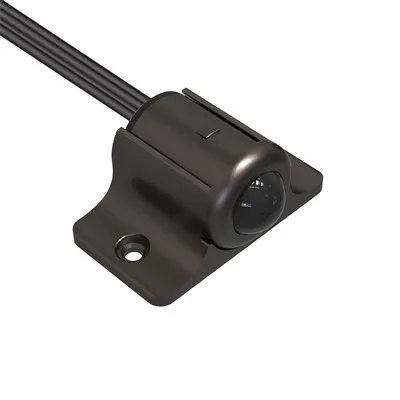
Wireless Sensor Switch If you are interested in purchasing cabinet LED drivers for your dimmable LED lighting applications, please feel free to contact us. We have a wide range of high-quality LED drivers that are compatible with various dimming technologies and can meet your specific requirements. Our team of experts is also available to provide technical support and assistance to help you choose the right driver for your project.
References
- "LED Lighting Handbook" by John C. Lin
- "Dimming of LED Lighting" by the Illuminating Engineering Society
- Manufacturer’s specifications and technical documents for cabinet LED drivers and dimmable LEDs
Dongguan Lanbaoli Intelligent Technology Co., Ltd.
As one of the most professional cabinet led driver manufacturers and suppliers in China, we’re featured by quality products and low price. Welcome to buy advanced cabinet led driver for sale here from our factory. If you have any enquiry about quotation, please feel free to email us.
Address: 10th Floor, Building 32, Golden Town, No. 7 Technology Avenue, Houjie Town, Dongguan City, Guangdong Province
E-mail: anna@lampow.cn
WebSite: https://www.lblsensor.com/
