As a supplier of ultrasonic components, I am often asked about the potential applications of our products in various industries. One question that comes up frequently is whether ultrasonic components can be used in aerospace applications. In this blog post, I will explore the possibilities and challenges of using ultrasonic components in the aerospace industry. Ultrasonic Components
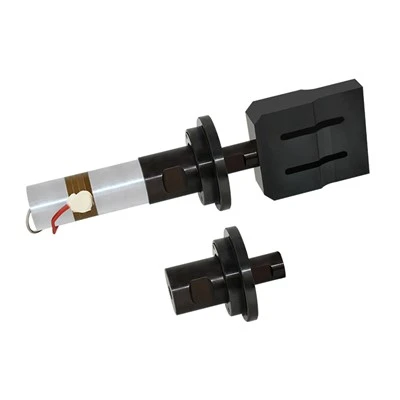
Understanding Ultrasonic Components
Before delving into aerospace applications, it’s important to understand what ultrasonic components are and how they work. Ultrasonic components use high – frequency sound waves, typically above the range of human hearing (20 kHz), to perform a variety of functions. These components can generate, transmit, and receive ultrasonic waves, which can be used for tasks such as measuring distances, detecting flaws, and cleaning surfaces.
The basic types of ultrasonic components include ultrasonic transducers, which convert electrical energy into ultrasonic waves and vice versa, and ultrasonic generators, which produce the electrical signals needed to drive the transducers. Other related components may include amplifiers, controllers, and sensors.
Potential Applications in Aerospace
Non – Destructive Testing (NDT)
One of the most significant potential applications of ultrasonic components in aerospace is non – destructive testing. In the aerospace industry, ensuring the integrity of critical components such as aircraft wings, engine parts, and fuselage structures is of utmost importance. Ultrasonic testing can be used to detect internal flaws, such as cracks, voids, and delaminations, without damaging the component.
Ultrasonic transducers are used to send high – frequency sound waves into the material being tested. When these waves encounter a flaw, they are reflected back, and the transducer can detect the reflected waves. By analyzing the characteristics of the reflected waves, such as their amplitude and time of flight, engineers can determine the size, location, and nature of the flaw. This allows for early detection of potential problems, which can prevent catastrophic failures during flight.
Structural Health Monitoring (SHM)
Structural health monitoring is another area where ultrasonic components can play a crucial role in aerospace. SHM systems are designed to continuously monitor the structural integrity of an aircraft or spacecraft during its operation. Ultrasonic sensors can be embedded in the structure to detect changes in the material properties over time, such as the onset of fatigue or corrosion.
By monitoring the ultrasonic signals, engineers can detect early signs of damage and take appropriate action, such as scheduling maintenance or replacement of the affected components. This proactive approach can improve the safety and reliability of aerospace vehicles and reduce maintenance costs.
Fluid Management
In aerospace applications, fluid management is essential for the proper operation of various systems, such as fuel systems, hydraulic systems, and cooling systems. Ultrasonic components can be used for fluid level sensing, flow measurement, and fluid mixing.
Ultrasonic sensors can accurately measure the level of fluids in tanks by sending ultrasonic waves towards the fluid surface and measuring the time it takes for the waves to be reflected back. This information can be used to monitor fuel levels in aircraft tanks or to control the flow of fluids in hydraulic systems. Additionally, ultrasonic mixing can be used to ensure uniform distribution of additives in fuels or coolants.
Cleaning and Decontamination
Aerospace components often need to be cleaned and decontaminated to maintain their performance and reliability. Ultrasonic cleaning is a highly effective method for removing dirt, grease, and other contaminants from the surface of components.
Ultrasonic cleaning works by creating high – frequency sound waves in a cleaning solution. These waves generate microscopic bubbles that collapse, creating a powerful scrubbing action that can remove even the most stubborn contaminants. This method is gentle on the components and can be used for a wide range of materials, including metals, plastics, and composites.
Challenges and Considerations
While the potential applications of ultrasonic components in aerospace are promising, there are also several challenges and considerations that need to be addressed.
Environmental Conditions
Aerospace environments are extremely harsh, with high temperatures, low pressures, and exposure to radiation. Ultrasonic components need to be designed to withstand these conditions without compromising their performance. For example, the materials used in the transducers and other components need to have high thermal stability and resistance to radiation.
Size and Weight Constraints
In aerospace applications, size and weight are critical factors. Ultrasonic components need to be compact and lightweight to minimize the impact on the overall weight and performance of the aircraft or spacecraft. This requires innovative design and manufacturing techniques to reduce the size and weight of the components without sacrificing their functionality.
Integration with Existing Systems
Integrating ultrasonic components into existing aerospace systems can be a complex task. The components need to be compatible with the existing electrical, mechanical, and control systems. Additionally, the data generated by the ultrasonic components needs to be integrated with the overall monitoring and control systems of the vehicle.
Regulatory Requirements
The aerospace industry is highly regulated, and any new technology or component needs to meet strict safety and performance standards. Ultrasonic components need to undergo rigorous testing and certification to ensure compliance with these regulations.
Our Role as a Supplier
As a supplier of ultrasonic components, we are committed to addressing these challenges and providing high – quality products that meet the specific needs of the aerospace industry. We work closely with our customers to understand their requirements and develop customized solutions.
Our research and development team is constantly working on improving the performance and reliability of our ultrasonic components. We use advanced materials and manufacturing techniques to ensure that our components can withstand the harsh aerospace environments. Additionally, we provide comprehensive technical support and training to our customers to help them integrate our components into their systems.
Conclusion
In conclusion, ultrasonic components have significant potential for use in aerospace applications. From non – destructive testing and structural health monitoring to fluid management and cleaning, these components can play a crucial role in improving the safety, reliability, and performance of aerospace vehicles.

However, there are also challenges that need to be overcome, such as environmental conditions, size and weight constraints, integration with existing systems, and regulatory requirements. As a supplier of ultrasonic components, we are dedicated to providing innovative solutions that address these challenges and meet the high standards of the aerospace industry.
Ultrasonic Metal Treatment If you are interested in exploring the use of ultrasonic components in your aerospace applications, we would be happy to discuss your requirements and provide you with more information. Our team of experts is ready to work with you to develop customized solutions that meet your specific needs. Contact us to start a conversation about how our ultrasonic components can benefit your aerospace projects.
References
- ASNT (American Society for Nondestructive Testing). "Ultrasonic Testing Handbook."
- ASTM International. "Standards for Ultrasonic Testing in Aerospace."
- NASA Technical Reports on Structural Health Monitoring and Ultrasonic Applications in Spacecraft.
Hangzhou Shengtu Technology Co., Ltd.
Hangzhou Shengtu Technology Co., Ltd. is one of the most professional ultrasonic components manufacturers and suppliers in China, featured by quality products and low price. Please rest assured to buy ultrasonic components for sale here from our factory. Also, customized service is available.
Address: No.16, Changtai Street, Changkou Town, Fuyang District, Hangzhou, Zhejiang, China 311400
E-mail: tina@fun-sonic.com
WebSite: https://www.ultrasonic-coating.com/
