Hey there! I’m a supplier of Large Scale Air Separation Units, and I often get asked this question: How often should a Large Scale Air Separation Unit be maintained? Well, let’s dive right into it. Large Scale Air Separation Unit

First off, understanding the importance of regular maintenance is crucial. A Large Scale Air Separation Unit is a complex piece of equipment that plays a vital role in various industries, like steelmaking, chemical production, and healthcare. It separates air into its components, such as oxygen, nitrogen, and argon. If it’s not properly maintained, it can lead to reduced efficiency, increased energy consumption, and even breakdowns, which can cost a fortune in repairs and lost production time.
Now, the frequency of maintenance depends on several factors. One of the most important ones is the operating environment. If the unit is located in a dusty or corrosive environment, it’ll need more frequent maintenance. Dust can clog filters and heat exchangers, while corrosive substances can damage the unit’s components. For example, in a steel mill, where there’s a lot of dust and high temperatures, the air separation unit might need maintenance every 3 – 6 months.
Another factor is the usage intensity. If the unit is running 24/7, it’ll experience more wear and tear compared to one that operates intermittently. A continuously operating unit may require maintenance every 6 – 12 months, while a less frequently used one could go 12 – 18 months between maintenance sessions.
The age of the unit also matters. Newer units are generally more reliable and may need less frequent maintenance. But as the unit gets older, its components start to degrade, and the risk of failures increases. So, an older unit might need maintenance every 3 – 6 months, depending on its condition.
Let’s talk about the different types of maintenance. There are preventive maintenance and corrective maintenance. Preventive maintenance is all about taking steps to prevent problems before they occur. This includes regular inspections, cleaning, lubrication, and replacement of worn – out parts. For example, checking the filters monthly, lubricating the moving parts every 3 months, and replacing the gaskets and seals every 6 – 12 months.
Corrective maintenance, on the other hand, is done when something goes wrong. It could be a sudden breakdown or a decrease in performance. When this happens, you need to fix the problem as quickly as possible. But it’s always better to rely more on preventive maintenance to avoid costly corrective maintenance.
Now, let’s break down the maintenance schedule in more detail.
Daily Maintenance
- Visual Inspection: Every day, operators should do a quick visual check of the unit. Look for any signs of leaks, abnormal vibrations, or unusual noises. Check the pressure gauges, temperature sensors, and flow meters to make sure they’re within the normal range.
- Cleaning: Keep the area around the unit clean. Remove any debris or dust that might have accumulated.
Weekly Maintenance
- Filter Checks: Check the air filters. If they’re dirty, clean or replace them. Dirty filters can reduce the efficiency of the unit and increase energy consumption.
- Lubrication: Some components may need weekly lubrication. Check the manufacturer’s recommendations for which parts need lubrication and what type of lubricant to use.
Monthly Maintenance
- Component Inspection: Inspect the major components of the unit, such as the compressors, heat exchangers, and valves. Look for signs of wear and tear, corrosion, or damage.
- Performance Monitoring: Analyze the unit’s performance data, such as oxygen and nitrogen purity, flow rates, and energy consumption. Compare the current data with the baseline to detect any trends or anomalies.
Quarterly Maintenance
- System Calibration: Calibrate the sensors and control systems to ensure accurate measurements and proper operation.
- Safety Checks: Check the safety devices, such as pressure relief valves and emergency stop buttons, to make sure they’re working properly.
Semi – Annual Maintenance
- Major Component Overhaul: Some components, like the compressors and turbines, may need a major overhaul every six months. This involves disassembling the components, inspecting them thoroughly, and replacing any worn – out parts.
- Heat Exchanger Cleaning: Clean the heat exchangers to remove any fouling or deposits that can reduce heat transfer efficiency.
Annual Maintenance
- Comprehensive Inspection: Conduct a comprehensive inspection of the entire unit. This includes checking all the electrical systems, mechanical components, and piping.
- Upgrades and Modifications: Consider any necessary upgrades or modifications to improve the unit’s performance, efficiency, or safety.
It’s important to note that these are just general guidelines. The actual maintenance schedule should be tailored to the specific needs of your unit, based on the factors we discussed earlier.
As a supplier of Large Scale Air Separation Units, I can provide you with detailed maintenance plans and support. Our team of experts has years of experience in maintaining these units, and we can help you keep your unit running smoothly and efficiently.
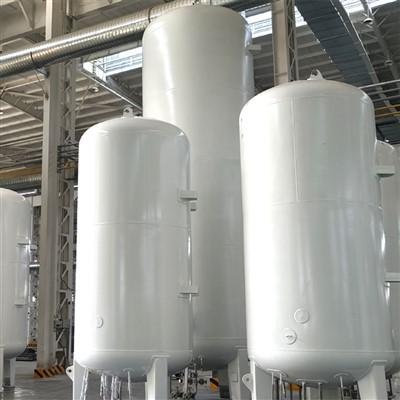
If you’re in the market for a Large Scale Air Separation Unit or need help with the maintenance of your existing unit, don’t hesitate to reach out. We can have a chat about your requirements, and I’m sure we can find the best solution for you. Whether it’s a new unit or maintenance services, we’ve got you covered.
Liquefaction Storage Equipment References
- "Handbook of Industrial Gas Processes" by M. A. Khan
- "Air Separation Technology" by R. P. Dutta
Xinxiang Jiale Intelligent Equipment Co., Ltd.
As one of the leading large scale air separation unit manufacturers and suppliers in China, we also support customized service. Please feel free to buy high quality large scale air separation unit for sale here from our factory. Contact us for more details.
Address: No.3913, 9th Floor, Unit 3, East Commercial and Office Complex, Baolong City Plaza, Hongqi District, Xinxiang City, Henan Province, China
E-mail: cc2397410@gmail.com
WebSite: https://www.jialeasu.com/
